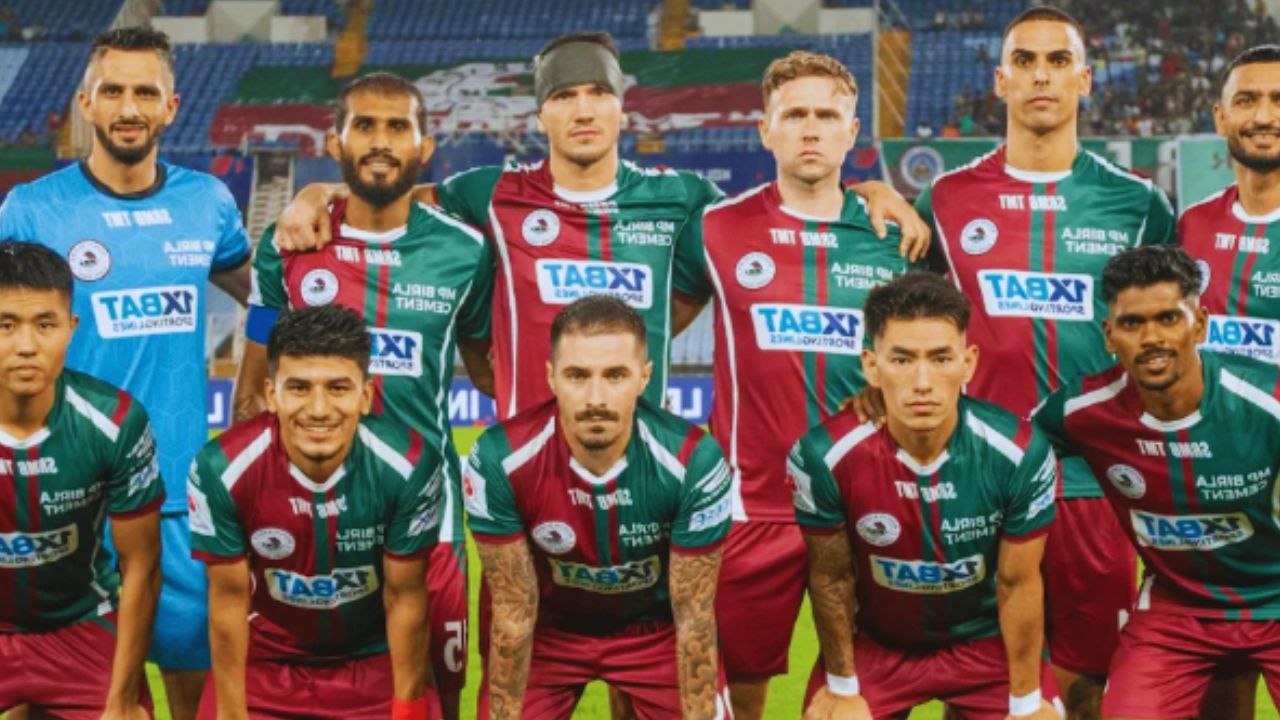
In a development that has sparked fresh debates in Indian football, Mohun Bagan Super Giant has refused to release its players for national team duty, citing serious concerns over the handling of injuries by the All India Football Federation (AIFF). The move has opened up a new chapter in the long-standing club-versus-country conflict, with fans and analysts divided over the implications.
Club vs. Country – A Brewing Storm
The AIFF recently requested the release of several Mohun Bagan players for upcoming international commitments. However, the club flatly declined, arguing that the federation has repeatedly failed to provide adequate medical care to its footballers during national camps.
A club statement criticized the AIFF for “neglecting the recovery and rehabilitation of players,” pointing out that footballers often return from international duty with aggravated injuries. Mohun Bagan officials stressed that with the domestic season in full swing, they cannot risk losing key players to poor medical management.
The Injury Concerns
According to Mohun Bagan, several of their first-team stars have previously returned from national camps carrying injuries that were either mismanaged or overlooked. These setbacks, the club argued, not only jeopardized the careers of individual players but also directly impacted the team’s performance in the Indian Super League (ISL) and continental competitions.
“We respect the importance of the national team, but we cannot allow our players to suffer due to negligence,” a senior Mohun Bagan official reportedly stated. “Clubs invest heavily in their footballers, ensuring proper training, medical support, and recovery plans. When players come back injured, it hurts both their careers and the club’s objectives.”
AIFF’s Stance
The AIFF, on its part, has expressed disappointment at Mohun Bagan’s refusal. Federation officials maintain that the national team requires the best talent available to compete on the international stage, and clubs must cooperate. Sources indicate that the AIFF may even consider taking disciplinary action if the standoff continues.
However, critics argue that unless the federation addresses the clubs’ concerns about medical negligence, such conflicts are bound to resurface.
Fans React to the Standoff
Fans of Mohun Bagan have largely rallied behind their club, pointing out that protecting players’ health should be the top priority. Many believe that the federation has been slow in modernizing its medical facilities and adopting global standards of sports science.
On the other hand, supporters of the national team have voiced frustration, arguing that club interests should not come at the cost of India’s progress on the international stage. The debate highlights a delicate balance that Indian football has struggled to maintain for years.
A Larger Problem in Indian Football
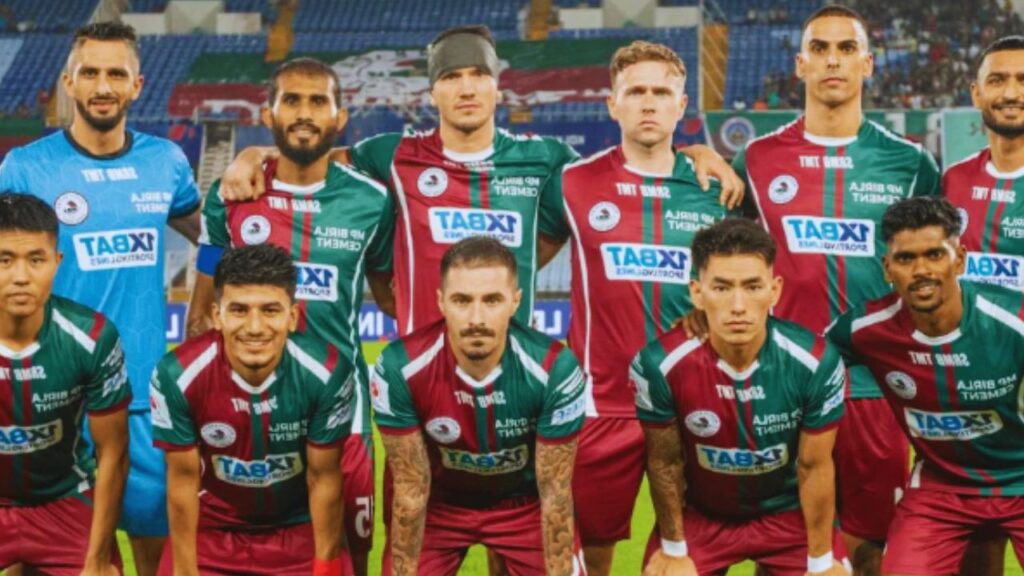
This episode is not just about Mohun Bagan. Several other Indian clubs have, in the past, raised similar concerns regarding injuries and workload management during international duty. The lack of coordination between club doctors and AIFF’s medical staff has often led to communication gaps, leaving players vulnerable.
Globally, football federations and clubs maintain structured medical protocols to ensure player welfare, something Indian football is still striving to establish. Until a more professional framework is put in place, conflicts like these may continue to disrupt the sport.
The Road Ahead
For now, Mohun Bagan stands firm on its decision, while the AIFF faces mounting pressure to address accusations of medical neglect. The situation has become a test case for how Indian football handles the balance between club commitments and national duty.
If both sides fail to reach common ground, it could lead to long-term damage—not just for Mohun Bagan, but for the growth of Indian football itself. After all, without healthy players, both the clubs and the national team stand to lose.